
We begin tonight with a problem that could cost Donald Trump and Republicans the midterm elections, and it’s not inflation numbers or polling data, it’s vanity. At the Kennedy Center, the traditional New Year’s Eve concert has been canceled after the administration unilaterally renamed the historic venue to include Donald Trump’s name, a move lawmakers say was patently illegal and one that musicians are now openly rejecting. Some performers have refused to take the stage, saying integrity matters more than a paycheck, and that protest has exposed something deeper about this presidency in its second term: a fixation on self-glorification while the country struggles.
The Kennedy Center is not an isolated incident. It is simply the latest monument in what critics are calling Trump’s edifice complex, an obsession with the aesthetics of power rather than the responsibilities of governing. Inside the White House, Trump has pushed projects that range from gaudy to outrageous, gilding the Oval Office, remodeling historic rooms, paving over the Rose Garden, and even floating plans to demolish parts of the East Wing to build a $400 million ballroom. Outside, government buildings have been draped with massive banners bearing his own image, while the president spends weekends golfing or hosting lavish parties at Mar-a-Lago, behavior that many see as wildly disconnected from the economic anxiety facing ordinary Americans.
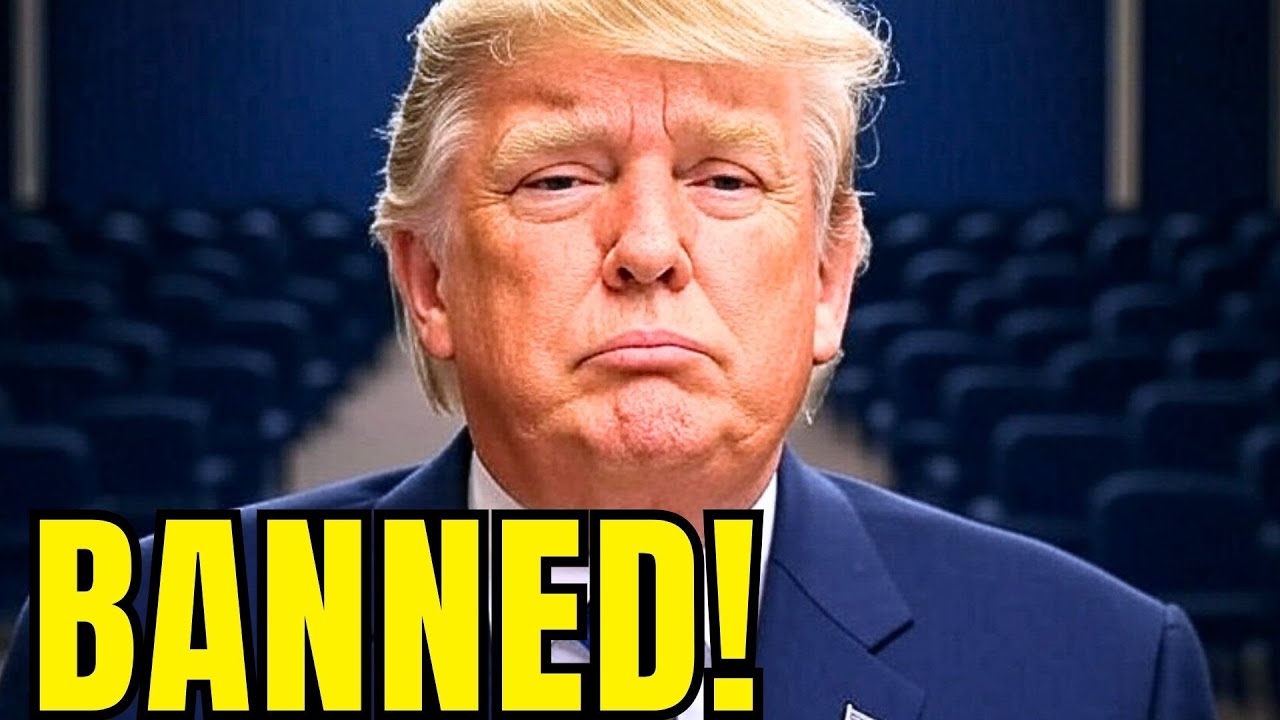
Political analysts warn that this obsession is not just distasteful, it’s dangerous. Voters are worrying about rent, groceries, and healthcare, while the president appears consumed by gold trim, nameplates, and monuments to himself. It has the unmistakable tone of Marie Antoinette politics, a leader distracted by spectacle while the public feels squeezed. And even though Trump himself is not on the ballot next November, Republicans are, and they are increasingly nervous.
Those concerns are being amplified by fractures inside the GOP. Anger over the president’s refusal to negotiate during the government shutdown still lingers, while damaging revelations from the Epstein files continue to surface. Some Republicans are distancing themselves, others are retiring outright. Most strikingly, Marjorie Taylor Greene, once one of Trump’s fiercest allies, has now publicly admitted she was naïve to believe his promises. As one major outlet put it bluntly, Trump is suddenly looking smaller.
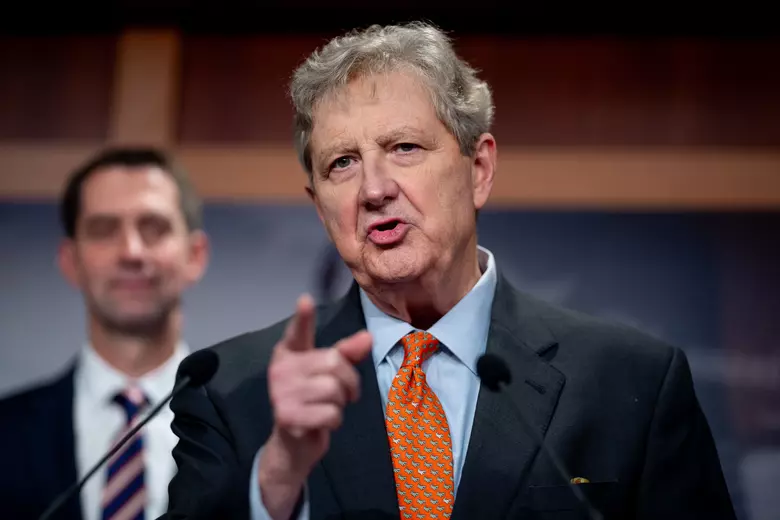
That sense of shrinkage was captured powerfully this week by Congressman Steve Lynch of Massachusetts, who delivered an impassioned rebuke after the Kennedy Center renaming. Lynch reminded Americans that John F. Kennedy was not just a president, but a decorated war hero, a Purple Heart recipient, a man who risked his life to save his crew, a leader who inspired a generation and whose family paid an extraordinary price for their service. The Kennedy Center, Lynch emphasized, was created by Congress as a national memorial to that sacrifice, not as a branding opportunity for a sitting president. Placing Trump’s name alongside Kennedy’s, he said plainly, is stolen valor, immoral, and illegal. It is an act that dishonors history rather than elevates it.
Legal action is now underway to restore the original intent of Congress, and lawmakers are calling on board members who enabled the decision to resign. But the political damage may already be done. Events are being canceled. Artists are walking away. The illusion that Trump could separate himself from the institution while controlling it has collapsed the moment his name went up on the building. What was once tolerable became impossible, both literally and symbolically.
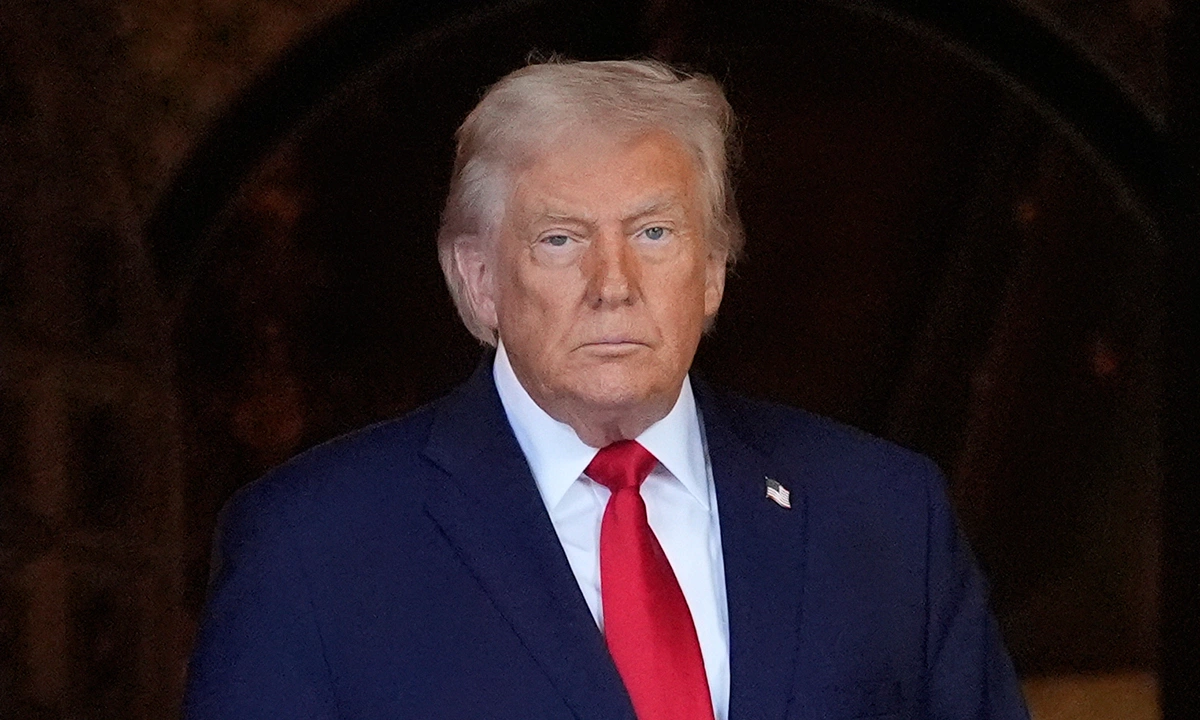
And here’s the part Republicans can’t ignore: this kind of behavior cuts through in a way abstract economic data sometimes doesn’t. Voters see a president treating the White House like a personal casino renovation, insulting past presidents with plaques, sparing only Ronald Reagan, and remaking national institutions in his own image. For many Americans, that optics problem speaks louder than charts and indexes ever could.
As the midterms approach, Democrats are campaigning on affordability and stability, while Republicans remain tethered to a movement that increasingly looks like it’s about tearing things down rather than building anything up. History suggests that strategy rarely ends well. And if this moment is any indication, Trump’s obsession with putting his name on everything may ultimately leave his party with something they can’t rename, can’t gild, and can’t escape: a backlash at the ballot box.
VIDEO: