
Republican lawmakers have introduced legislation that would nix federal income taxes on overtime pay.
Why It Matters
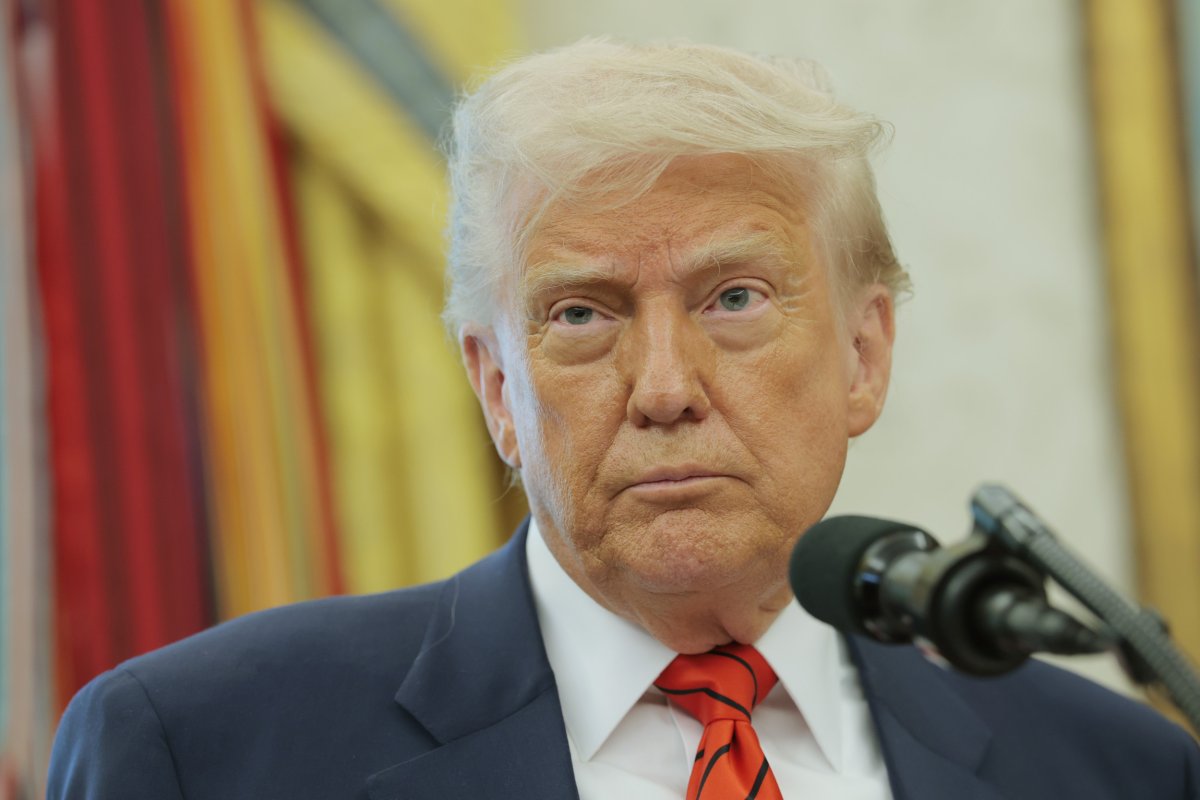
Bringing an end to overtime pay taxes was a campaign promise from President Donald Trump in the run up to the 2024 election. He recently renewed that pledge, telling a crowd of supporters in Michigan during a speech to mark his first 100 days in office that he plans to end federal taxes on overtime, tipped and Social Security income.
What To Know
Senators Roger Marshall of Kansas and Tommy Tuberville of Alabama have introduced the Overtime Wages Tax Relief Act, which would create an income tax deduction for overtime wage earners.
As it stands, the Fair Labor Standards Act requires employers to pay certain workers “time-and-a-half,” or 150 percent of their base hourly pay, for any work beyond their first 40 hours per week. This is currently taxed at federal income tax rates, like regular income, and is also subject to Social Security and Medicare taxes.
The bill would allow individual workers to deduct up to $10,000 and married couples up to $20,000. The deduction would gradually phase out for higher earners, beginning at $100,000 for individuals and $200,000 for couples—for every $1,000 earned above these limits, the deduction would decrease by $50.
The bill defines overtime broadly to include workers across various professions, such as law enforcement officers, nurses, trade workers, factory employees, and “other eligible professions.”
Yale’s Budget Lab estimates that stopping taxes on required overtime pay would cost the government $1.34 trillion by 2034, including $866 billion from income taxes. The Tax Foundation reports cutting taxes on all overtime pay would cost even more—$1.55 trillion, with $680 billion coming from income taxes.
Treasury Secretary Scott Bessent said in April that lost revenue from the overtime, tips and Social Security tax cuts will be replaced by income from Trump’s tariff agenda.
“We’re going to take in long-term tariff revenue. We put a process in place,” Bessent said from the White House on April 29.
“What President Trump is referring to is the ability for tariff revenue to give income tax relief, and I think there’s a very good chance we will see this in the upcoming tax bill,” he said, referring to the budget blueprint currently being considered by lawmakers.
“The president campaigned on no tax on tips, no tax on Social Security, no tax on overtime,” he said, explaining that “tariff income could be used for tax relief on all those immediately.”