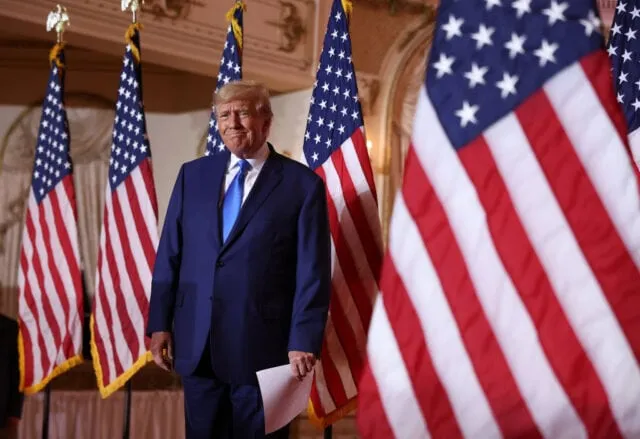
Donald Trump new monumental executive order revealed.

In a move that’s sending shockwaves through Washington, President Donald Trump has signed an executive order.
Trump’s series of executive orders profiled.

This action is part of a series of executive orders signed by President Trump during his second term, aiming to consolidate executive power.

Earlier orders included renaming the Gulf of Mexico to the Gulf of America and imposing tax tariffs on Canada and China.

Another order targeted transgender women in sports, reflecting the administration’s stance on gender identity issues.

The president also ended COVID-19 vaccine mandates in schools and eliminated the procurement of paper straws.

A new White House Faith Office was established, replacing the previous Office of Faith-Based and Community Initiatives.

These actions underscore the administration’s commitment to reshaping federal policies and agencies to align with its priorities.
Trump’s new order confirmed.

Trump’s new order grants the White House direct control over independent federal regulators.
This unprecedented action targets agencies like the Securities and Exchange Commission (SEC), the Federal Trade Commission (FTC), and the Federal Communications Commission (FCC).

Traditionally, these agencies have operated with a degree of autonomy to serve the public interest without political interference.

Critics argue that this move risks politicizing agencies meant to be impartial and could lead to abuses of power.

The executive order mandates that these agencies must now submit draft regulations for presidential review, aligning them more closely with the president’s agenda.

Additionally, agency heads will be subject to performance standards and management objectives set by the White House.
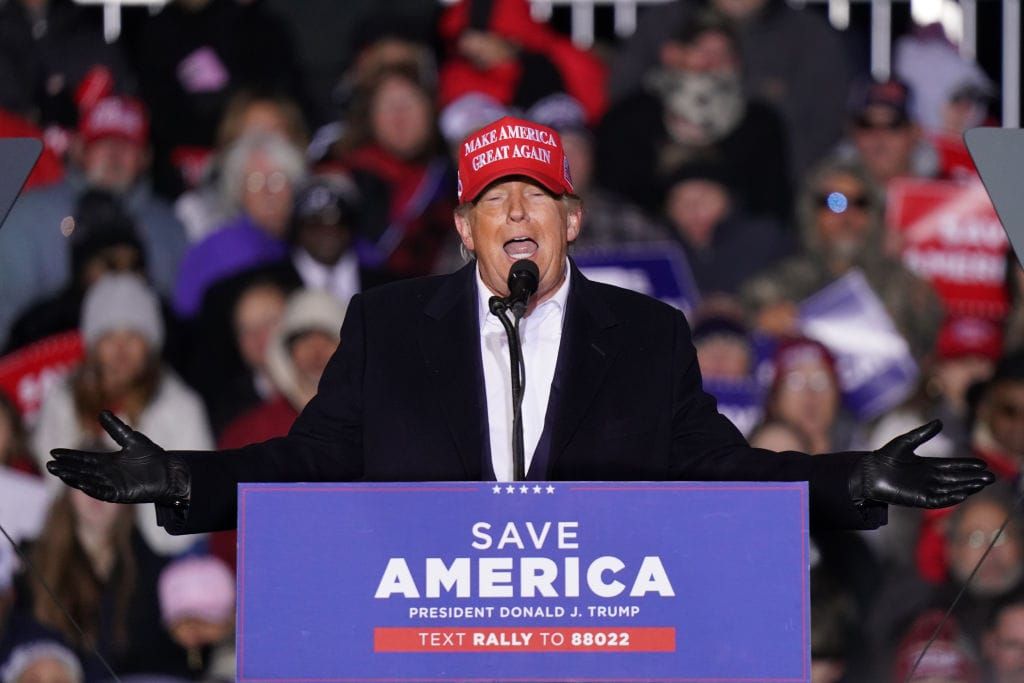
The latest executive order asserts that all executive branch officials and employees are now subject to the president’s supervision.

The Office of Management and Budget is tasked with ensuring that tax dollars are spent wisely under this new directive.
The order emphasizes that “executive power without responsibility has no place in our Republic.”

It further states that the United States was founded on the principle of government accountability to the people.

It further states that the United States was founded on the principle of government accountability to the people.
Benefits of Trump’s new order highlighted.

Historically, independent agencies like the FTC, SEC, and FCC have exercised significant power without direct presidential oversight.

This structure was designed to ensure impartiality and prevent political influence over regulatory decisions.

However, the Trump administration argues that this autonomy has led to costly regulations and a lack of accountability.

The executive order alleges that these agencies have imposed rules costing the country billions of dollars.

By bringing them under White House control, the administration aims to increase oversight and efficiency.

Critics contend that this move undermines the independence of regulatory bodies and could lead to politicized decision-making.

Legal challenges are expected as opponents argue that the order oversteps executive authority.

The only exemption to this directive is the Federal Reserve’s monetary policy functions.

This exemption acknowledges the importance of maintaining the central bank’s independence in setting interest rates.

Russell Vought, acting director of the Consumer Financial Protection Bureau, will oversee the implementation of this order.

He is tasked with establishing performance standards for agency heads and reporting to the president on their efficiency.

This move is seen as a significant shift in the balance of power between the executive branch and regulatory agencies.

Supporters argue it will lead to more streamlined and accountable governance.

Detractors fear it could erode the checks and balances integral to the U.S. political system.
The public await more details.

As this executive order takes effect, its impact on the independence of federal agencies and the broader implications for governance remain to be seen.