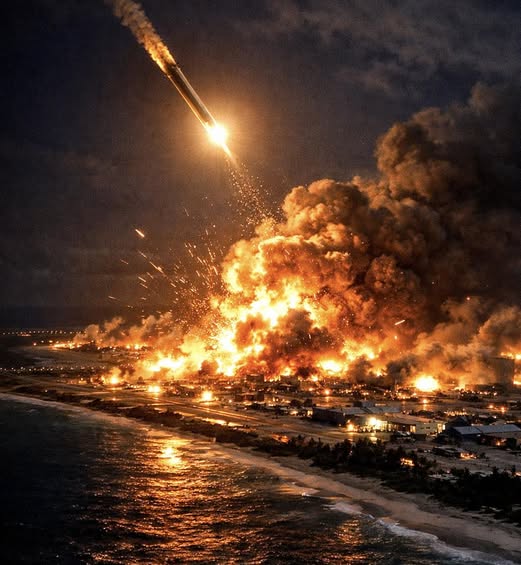
The warning about global conflict has heightened anxiety, leaving many wondering if any place is truly safe. While such statements can feel alarming, experts stress that real-world risk depends on strategic importance rather than geography alone.
In the United States, potential targets in a worst-case scenario are typically locations tied to military infrastructure, nuclear facilities, major ports, or command centers. This means areas in the central U.S. that host missile silos—such as parts of Montana, Wyoming, and the Dakotas—are often considered higher-risk in strategic planning.
Some analysts suggest that regions without major military or strategic assets—like parts of the Northeast or certain coastal and rural areas—might face less immediate risk. However, this does not mean they are completely safe, as modern conflicts can impact infrastructure, supply chains, and civilian life far beyond direct targets.
The broader reality is that no place can be considered fully immune in a large-scale conflict. Rather than focusing on “safe zones,” experts emphasize preparedness, reliable information, and calm decision-making as the most effective ways to navigate uncertainty.