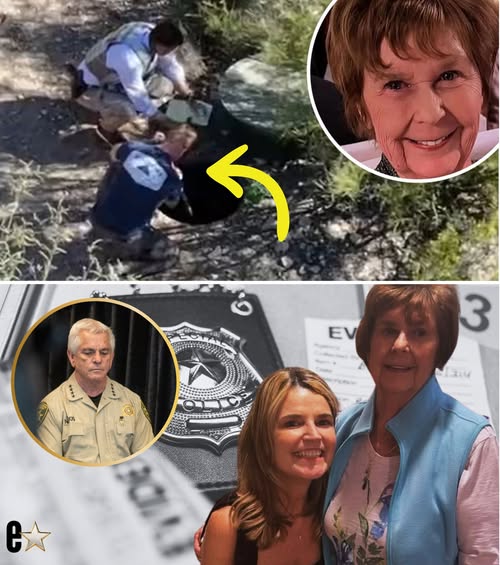
Investigators in the high-profile abduction case of 84-year-old Nancy Guthrie made a grim and potentially pivotal discovery on the morning of February 10, 2026, when Nancy’s pacemaker was recovered from a secluded riverbank approximately 30 kilometers from her Catalina Foothills residence near Tucson, Arizona. The medical device — critical to regulating her heart rhythm given her documented cardiac conditions — was located during an expanded ground and aerial search that had shifted focus to waterways and drainage systems in the region.
Pima County Sheriff’s deputies, assisted by FBI dive teams from the Phoenix Field Office, confirmed the find shortly before dawn. The pacemaker, a small implantable cardioverter-defibrillator identifiable by serial number and manufacturer markings, was discovered partially buried in sediment along the banks of the Santa Cruz River, a seasonal waterway that runs through southern Arizona and can carry debris significant distances during flash floods or deliberate disposal. Sources close to the investigation told local media that the device appeared to have been removed from the body postmortem or perimortem, raising immediate and harrowing questions about Nancy’s fate.
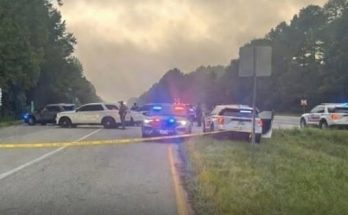
Dive operations intensified immediately following the recovery. Specialized underwater search teams, equipped with sonar, remotely operated vehicles (ROVs), and cadaver dogs trained for water recovery, entered the river at multiple points upstream and downstream from the discovery site. By midday, authorities reported a “shocking discovery” in the water — though details remained tightly held pending family notification and forensic confirmation. Eyewitnesses described seeing bags of evidence being brought ashore and multiple black body bags staged near command vehicles, fueling speculation that human remains or additional personal items had been located.
The pacemaker’s presence so far from the home — roughly a 40-minute drive under normal conditions — strongly suggests deliberate transport and disposal rather than accidental drift. Investigators believe the device was likely removed shortly after Nancy’s abduction on the night of January 31, 2026, possibly to prevent any location tracking (though most pacemakers lack GPS capability) or as part of an attempt to stage a different narrative. Forensic pathologists consulted by the task force noted that explantation of a pacemaker requires surgical precision and knowledge of anatomy, pointing toward either medical training or premeditated cruelty on the part of the perpetrator(s).
This development follows a relentless series of investigative actions over the past ten days. Previous searches of the Guthrie property uncovered signs of forced entry, blood evidence matching Nancy’s DNA on the porch, a disabled Ring camera, a suspicious wired device on the roof, and an exhaustive probe of the backyard septic tank. Ransom notes — some demanding up to $6 million in Bitcoin with escalating deadlines — have been received by media outlets, with the most recent claiming Nancy was “safe but scared.” However, the physical evidence now emerging appears to contradict those assertions, leading some officials to suspect the communications may be from opportunists or designed to mislead.
Savannah Guthrie, Nancy’s daughter and co-anchor of NBC’s “Today” show, has not yet issued a public statement on the pacemaker recovery, though sources say the family was briefed privately early this morning. Previous family videos had expressed willingness to pay any ransom for Nancy’s safe return, underscoring their desperation amid fears for her health without daily medications. The discovery of the pacemaker — a literal piece of Nancy’s heart left behind — has deepened the national anguish surrounding the case.
President Trump, who has followed developments closely, commented via social media that “this is a dark day, but every clue brings justice closer.” Federal resources remain fully committed, with additional dive teams and K-9 units deployed from neighboring states. The $50,000 reward for information leading to Nancy’s location or the arrest of those responsible continues to generate tips, though authorities stress the need for verified, actionable leads.
The Santa Cruz River site has been cordoned off as a secondary crime scene. Forensic anthropologists and underwater archaeologists are assisting in grid-search patterns to ensure no additional evidence is missed. Early analysis suggests the pacemaker was placed recently — sediment disturbance and lack of significant biofouling indicate it had not been submerged long. This timeline aligns with the period after the initial ransom notes but before the second deadline expired on February 9 without resolution.
Community reaction in the Catalina Foothills has shifted from vigilant hope to somber dread. Prayer vigils outside the Guthrie home now include silent candlelight processions, with residents leaving small heart-shaped tokens in tribute to Nancy’s medical vulnerability. Neighbors describe a palpable change in atmosphere — from anxious waiting to grim acceptance that the outcome may no longer be favorable.
For investigators, the pacemaker represents both a heartbreaking confirmation of foul play and a forensic goldmine. DNA, fingerprints, trace fibers, or tool marks on the device could link directly to suspects. Digital forensics teams are re-examining any cellphone pings, traffic camera footage, or financial transactions in the 30km radius around the riverbank.
As dive teams continue their methodical underwater sweeps and the nation holds its breath, the case of Nancy Guthrie has entered what many fear is its final, tragic chapter. The small medical device that once kept her heart beating now lies in an evidence bag — a silent witness to whatever horrors unfolded after she was taken from her home. Whether the shocking discovery in the river provides closure or opens new avenues of pursuit, one truth remains undeniable: time has run out for gentle resolutions.