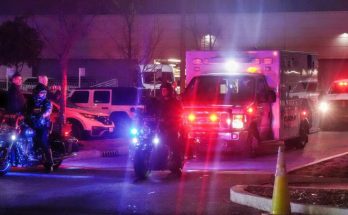
Renee Nicole Good’s death did not stop with the gunshot that took her life; it echoed through every corner of a city already exhausted by state power. In the days that followed, neighbors spoke of her kitchen table meetings, her laughter, the way she showed up when others were too tired to try. Those memories clashed violently with the sterile language of federal statements and carefully worded press releases.
As officials quietly signaled that no one would be charged, the message was familiar: some lives are negotiable, some bodies expendable. Yet on frozen sidewalks and in cramped community centers, people refused that verdict. They held her name in candlelight, organized, documented, refused to look away. Renee became more than a case file; she became a line in the sand. If her death could be normalized, then anyone’s could. The fight, they decided, would end with nothing less than a different future.