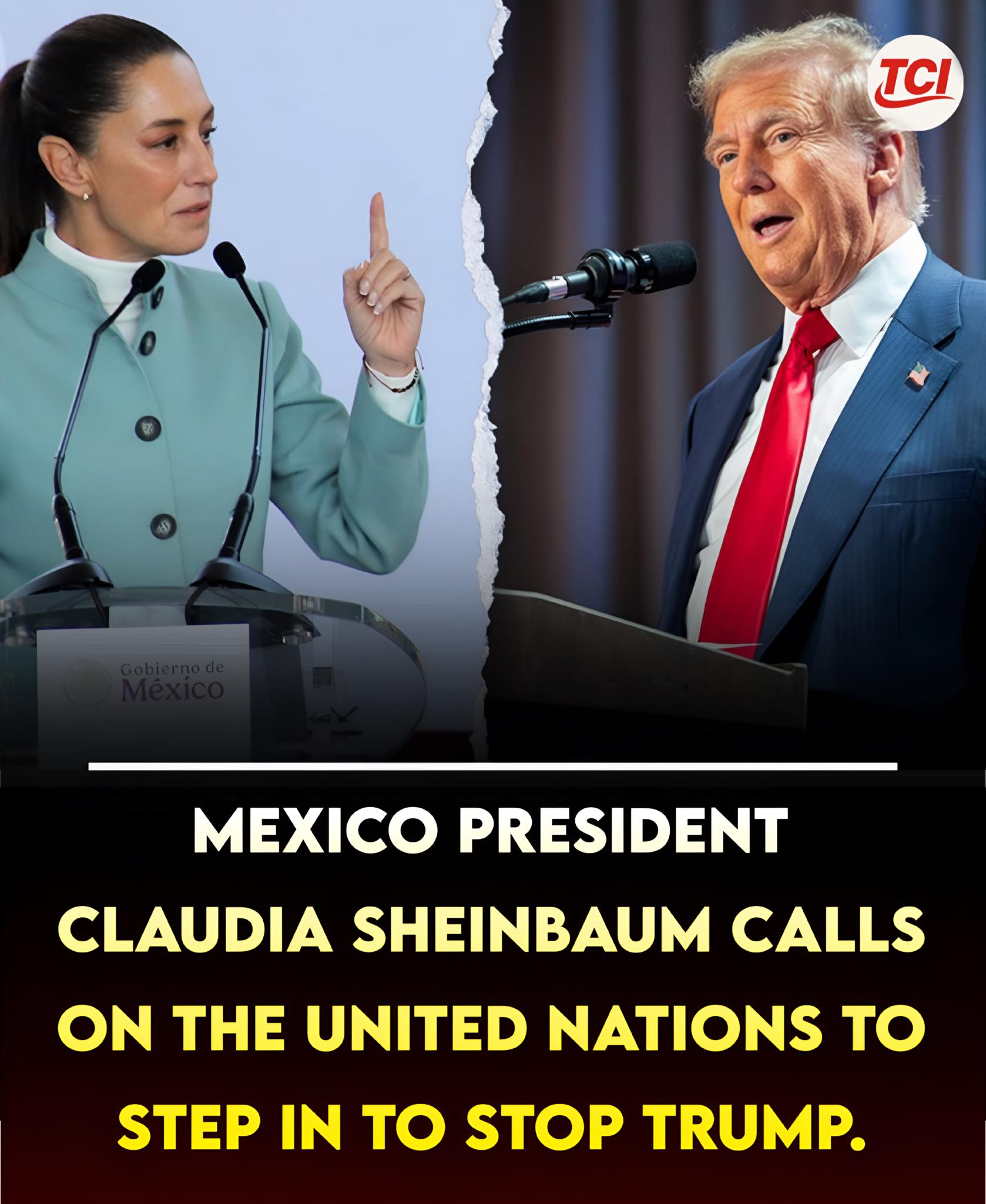
Mexico’s warning struck with uncommon force. In a rare and pointed rebuke, President Claudia Sheinbaum accused the United States of violating international law following reports of a surprise military operation in Venezuela and the capture of Nicolás Maduro. Citing the UN Charter and Mexico’s long-standing Estrada Doctrine, she framed the episode as more than a dispute over Venezuela—it was a challenge to the principle of sovereignty that underpins regional stability. As Brazil and other governments voiced concern, Latin America was reminded of a painful history marked by coups, interventions, and foreign-imposed outcomes.
Sheinbaum’s statement drew a clear line around Mexico’s role in global affairs. By invoking Article 2(4) of the UN Charter, she argued that the alleged U.S. action set a dangerous precedent that could threaten any nation, regardless of political alignment. Her appeal to the United Nations placed multilateral diplomacy at the center of the crisis, insisting that dialogue—not force—must determine Venezuela’s future.
The message to Washington was unmistakable: cooperation on migration, trade, and security cannot come at the expense of silence on war. In choosing law over alignment and principle over pressure, Mexico signaled that the deeper conflict is not only about Caracas, but about the rules that will govern power in the Americas going forward.