💥 BREAKING NEWS — A Major International Crisis Unfolds Over U.S. Military Action in Venezuela
The world has entered one of the most serious diplomatic flashpoints in decades after a controversial U.S. military operation in Venezuela drew explicit condemnation from the United Nations and dozens of countries. Far from a routine geopolitical dispute, the crisis now threatens to reshape global norms around sovereignty, international law, and the post-World War II order that has governed interstate relations for nearly 80 years.
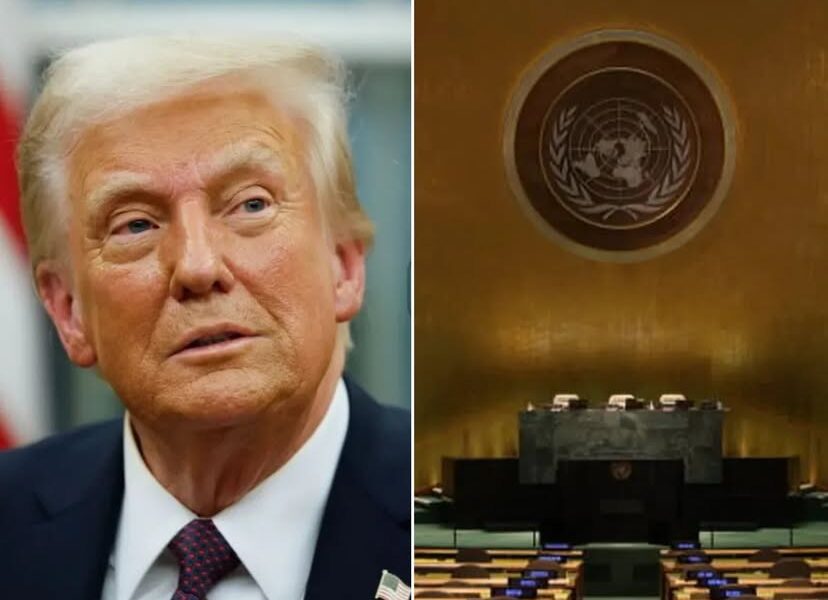
The immediate trigger was a dramatic military strike carried out by the United States on January 3, 2026, which resulted in the capture of Venezuelan President Nicolás Maduro and his wife, Cilia Flores. U.S. President Donald Trump later confirmed that elite U.S. forces conducted the operation, characterizing it as a targeted law-enforcement action designed to arrest Maduro on alleged narcotics-related and terrorism charges. Maduro and Flores were reportedly transported to New York and have since pleaded not guilty in federal court. 
The operation, which included drone strikes and raids inside Caracas, triggered immediate and widespread international backlash. Critics argue the action violated fundamental principles of the United Nations Charter — especially the prohibition on the use of force against the territorial integrity or political independence of any state and the protection of sovereign equality. 
United Nations Responds with Stern Criticism
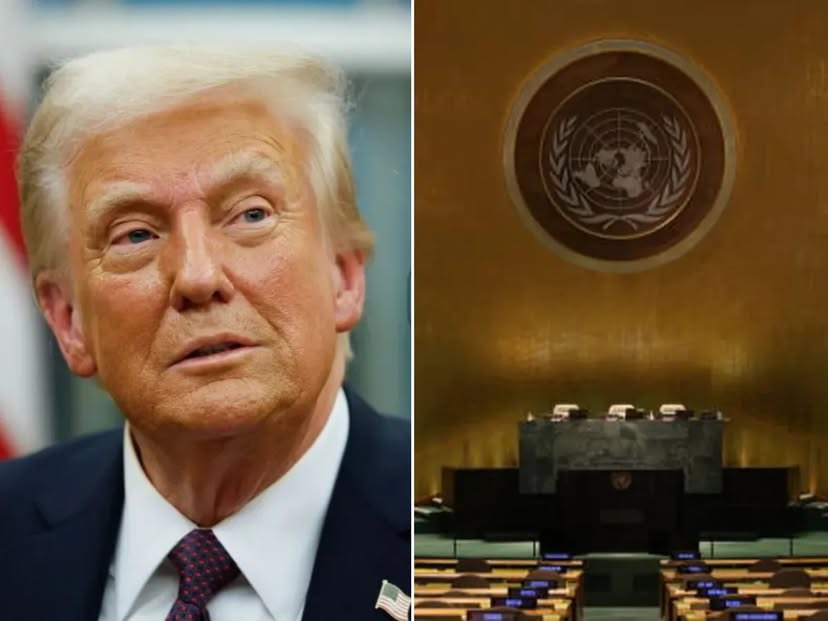
At an emergency meeting of the United Nations Security Council on January 5, the U.S. faced strong rebukes from a broad coalition of nations. Diplomats from countries across Africa, Latin America, and Asia accused Washington of reckless aggression. South Africa’s representative labeled the operation a “blatant violation of Venezuela’s sovereignty, territorial integrity and independence,” underscoring widespread concern about the legality of the intervention under international law. 
UN Secretary-General António Guterres himself voiced alarm that the recent escalation had “not respected rules of international law,” warning that unilateral military actions by powerful states risk eroding the legal framework that underpins global peace and security. 
Even longstanding U.S. allies expressed discomfort. Countries like France and Mexico acknowledged concerns about organized crime and humanitarian needs, but stressed that counter-narcotics efforts must proceed through lawful, multilateral channels — not force. 
Global Divide: Allies and Adversaries Clash Over U.S. Actions
Responses were sharply divided. Some nations, like Argentina, offered support, framing the raid as a decisive move against narcotics trafficking and a potential step toward restoring democratic institutions in Venezuela. Yet many others expressed outright condemnation and fear of dangerous precedents.
China’s United Nations delegation condemned the United States for placing “its own power above multilateralism,” asserting the strikes “trampled” Venezuela’s sovereignty and violated core UN principles. Russian diplomats echoed those criticisms, describing the operation as a breach of international norms. 
Latin American governments largely united in their opposition. Brazil labeled the bombing and capture of Maduro as crossing an “unacceptable line” and warned of regional destabilization. Colombia, which shares a long border with Venezuela, demanded restraint and respect for sovereignty. 
International Law Experts Sound the Alarm
Legal scholars and international law authorities have characterized the U.S. intervention as a potential crime of aggression. Reports and expert commentary widely conclude that absent a UN Security Council authorization or a self-defense justification — neither of which the U.S. cited — military action inside another sovereign state violates the UN Charter’s Article 2(4). 
Prominent professors and human rights advocates argue the operation undermines the legal mechanisms designed to prevent unilateral use of force and could encourage similar actions by other powerful states. That, they warn, would weaken the already fragile international legal order. 
Regional Stability at Risk
Beyond legal debates, the crisis carries serious practical implications. Latin America, historically wary of external intervention, now faces deep divisions over broader U.S. involvement. Many nations are concerned about refugee flows, economic disruption, and the possibility that the U.S. might escalate military operations elsewhere if the Maduro raid is deemed successful. 
Even within Venezuela, the situation remains volatile. Vice President Delcy Rodríguez has been sworn in as interim president with implicit U.S. support, but many countries question the legitimacy of any American-backed government. Maduro himself has decried his capture as a “kidnapping” and continues to deny all charges against him. 
The World Watches — and Judges
The fallout from this crisis is only beginning. What began as a purportedly targeted strike against a controversial leader has ballooned into a global diplomatic showdown that calls into question core tenets of international law, multilateralism, and the United States’ role on the world stage.
Whether the United Nations can effectively mediate the situation — or whether the crisis will deepen — remains uncertain. But one thing is clear: the repercussions of the U.S. action in Venezuela are reverberating far beyond Caracas and Washington, challenging the very structures that have long governed international peace and security.