
Last Updated on November 20, 2025 by
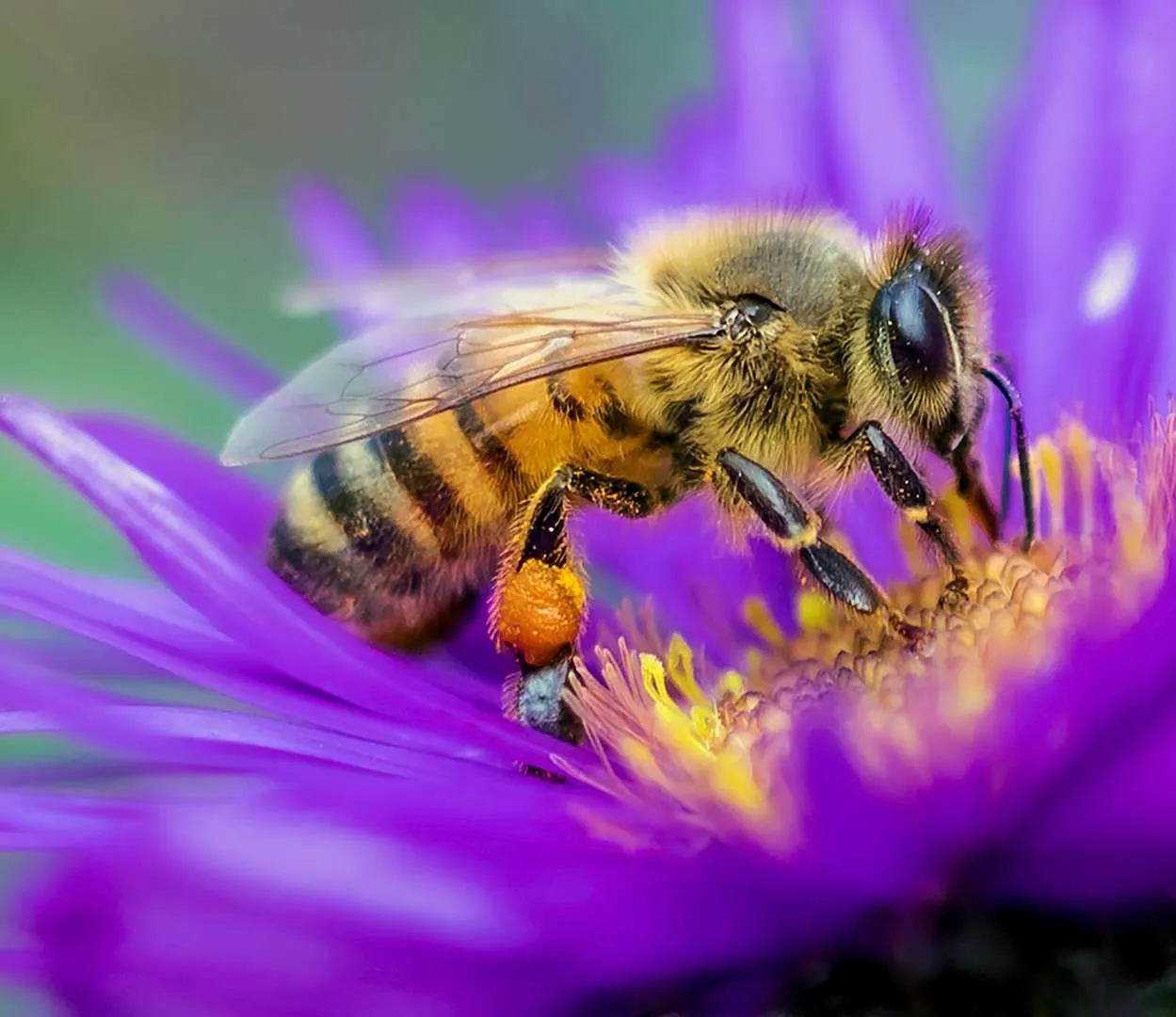
Many people notice the same curious scene every year when the weather warms: you hang fresh laundry outside to dry, and before long, bees begin circling your shirts, towels, or even small items like socks and undergarments.
It can be surprising to see these gentle little visitors appear out of nowhere, especially when your clothes have just been washed. Yet their behavior around outdoor lights and sunlit laundry has perfectly natural explanations rooted in scent, color, and the way bees navigate the world.
For anyone who spends time outdoors or enjoys line-drying laundry, understanding why bees are attracted to these everyday items can help you feel more comfortable and reduce unexpected encounters. It also offers a fascinating window into how closely our routines connect with the natural environment around us.
Bees depend heavily on two things to guide their daily activities: scent and light. These cues help them locate blossoms, communicate with their hive, and travel between food sources.
Freshly washed clothing, especially when hung in bright sunlight, unintentionally sends out signals similar to the ones bees follow when searching for flowers. Bees do not distinguish between real nectar and the fragrances people use in laundry detergents, soaps, or softeners. To them, anything with a bright color and a hint of floral or fruity fragrance is worth investigating.
This is also why bees often fly near outdoor lights. Artificial light can confuse their natural navigation systems, especially in the evening or early morning. A bright porch light or yard lamp may look like daylight to a bee trying to return home, leading it toward the glow rather than the hive.
Many laundry products contain scent profiles inspired by nature. Words like “spring meadow,” “wildflower,” or “citrus blossom” are common on store shelves. While these scents appeal to people, they are also signals bees evolved to notice. Even unscented products may leave behind faint notes that resemble natural aromas.
As your clothes hang in the sun, the warmth boosts these fragrances, releasing them into the air. To a bee flying nearby, a sunlit sheet can smell very much like a blooming plant on a warm afternoon. So when a bee lands on a shirt or a towel, it is simply following its instincts, checking for nectar where it believes it might be hidden.
Color plays an important part in what attracts bees outdoors. They naturally respond to lighter and brighter hues, the same shades that many flowers display. When laundry dries in full sunlight, the colors appear even more vivid, reflecting light in a way that catches a bee’s attention.
White and pastel fabrics are especially appealing. A white T-shirt fluttering on a clothesline can reflect sunlight in a way that resembles the soft glow of pale flower petals. When combined with scent, this visual signal becomes even stronger.
Outdoor lights create a similar effect. A bright bulb shining after dusk becomes a visual beacon that can confuse or interest bees, drawing them in even when no flowers are present.
For most people, the appearance of bees on their laundry is more surprising than harmful. Bees are generally calm creatures and are unlikely to sting unless they feel threatened or trapped. A bee resting on a towel is usually just investigating, not preparing to defend itself.
If you find a bee lingering on your clothes, simply give it a moment. Once it realizes there is no nectar to be found, it will fly off on its own. Swatting or waving your hands quickly may startle it, so gentle patience is often the best approach.
If you prefer fewer bee encounters, a few small changes can make a big difference:
• Hang laundry in areas with more shade. Bees rely on sunlight to enhance colors and scents; shade reduces both.
• Choose milder or unscented detergents. Less fragrance means fewer floral cues.
• Use darker fabrics when possible for outdoor drying. These colors are less appealing visually to bees.
• Bring laundry indoors promptly once it dries, limiting the time fragrances circulate outdoors.
• Turn off outdoor lights when not needed, especially at dusk, to avoid drawing bees toward bright areas.
These adjustments help protect your comfort while also keeping bees from exerting unnecessary energy searching for food where none exists.
Even in simple chores like hanging laundry or turning on an outdoor light, we cross paths with the natural rhythms around us. Bees are remarkable creatures, guided by senses that help sustain entire ecosystems. When they land on a clean shirt or hover near a porch lamp, they are not being intrusive; they are responding to signals they have followed for thousands of years.
Understanding why bees behave this way can turn a surprising encounter into a chance to appreciate how closely connected we are to the natural world. The next time you see a bee gently investigating a line of sunlit laundry, you will know it is simply doing what it was designed to do—following light, scent, and instinct with admirable determination.